Yacht Classification and Rules
Yacht Classification and Rules
What is Gross Tonnage?
When it comes to yachts, size isn’t measured by length alone. There is also a key concept called gross tonnage (GT). Gross tonnage represents the internal volume of a yacht; meaning the total enclosed space such as cabins, saloons, crew areas and storage rooms. It has nothing to do with the vessel’s weight; instead, it defines how much usable interior space the yacht offers.
Why does Gross Tonnage Matter?
Gross tonnage, together with a yacht’s length, determines which international regulations the vessel must comply with. It also directly affects the minimum crew requirements needed to safely operate the yacht under global maritime laws.
In addition, gross tonnage is a key variable in taxation formulas such as TEPADAH, meaning it can significantly influence the total tax amount.
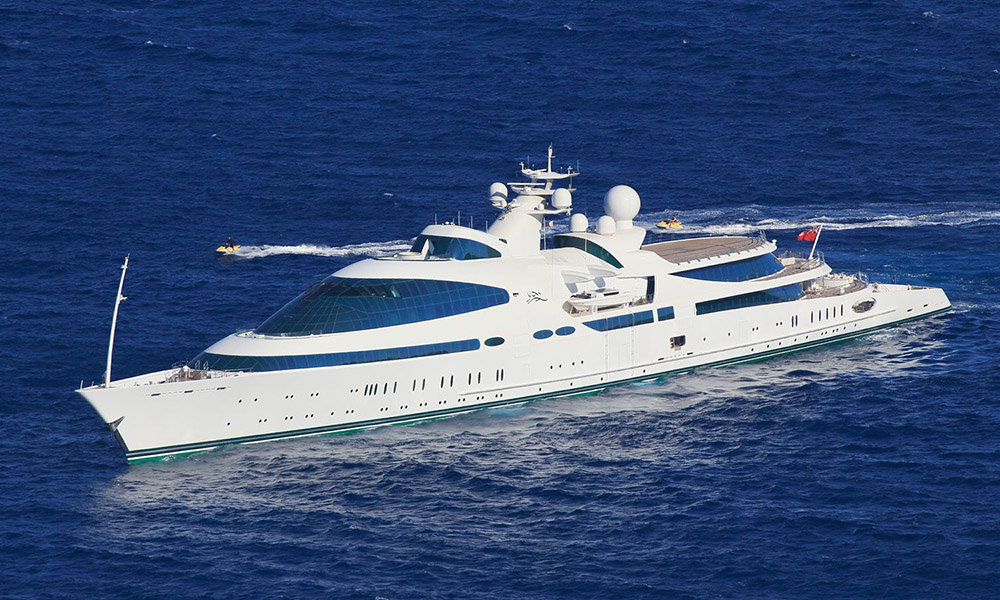
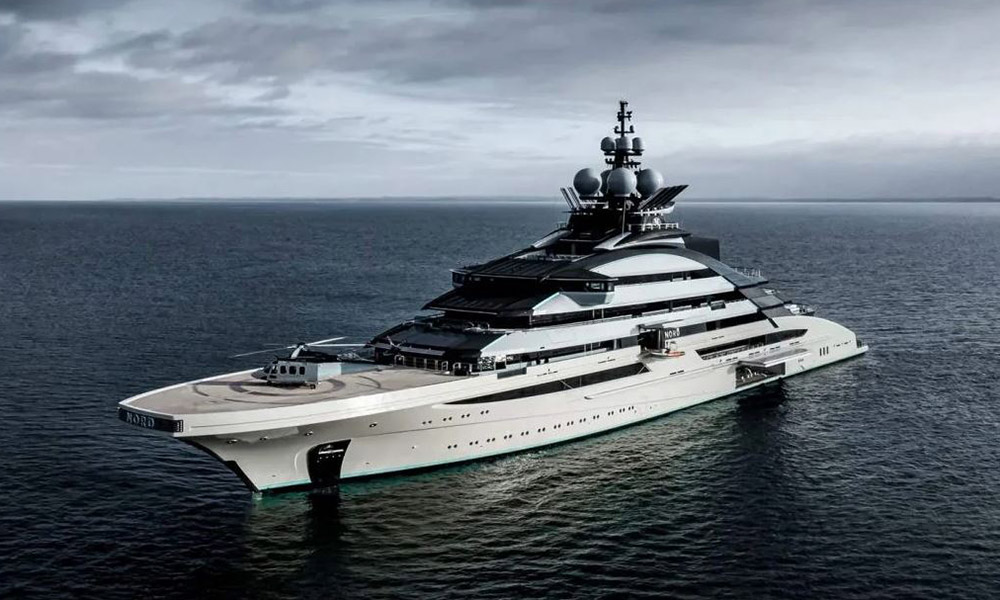
For example, consider the 141-meter superyacht Nord and the equally long Yas. Although they share the same length, Nord has a gross tonnage of around 10,000 GT, while Yas is closer to 5,000 GT. This means Nord offers nearly twice the interior volume, resulting in a much higher crew requirement and more extensive safety regulations that apply to her.
Higher Tonnage Means Stricker Regulations
As a yacht’s gross tonnage increases, the regulatory requirements become more stringent.
| Threshold | Requirement |
|---|---|
| 200 GT | Higher certification levels required for crew |
| 300 GT | Mandatory international radio safety equipment |
| 400 GT | Pollution and waste-management standards apply |
| 500 GT | SOLAS, ISM, ISPS codes + International Minimum Safe Manning |
Above 500 GT, operations are carried out under the same regulatory discipline as commercial maritime transport.
24 Meter Threshold
When yachts are under 24 meters, regulations remain relatively light. Once they exceed this length, however, they fall under the Large Yacht Code. This code requires the yacht, even if used privately, to comply with safety and crew standards similar to those applied to commercial vessels.
The Famous 12-Passenger Rule
One of the most frequently discussed regulations in yachting is the 12-passenger rule. Under international maritime law, yachts – regardless of their length or tonnage – may carry a maximum of 12 passengers.
If a yacht wishes to take a 13th passenger, it must be certified as a passenger ship. This would require the vessel to meet the same standards as a cruise ship in terms of fire safety, evacuation procedures, and lifesaving systems. As a result, this rule defines the balance between luxury and safety in the yachting world.
Conclusion
At sea, safety always comes before comfort. No matter how impressive a yacht’s length or design may be, safety sits at the core of every maritime regulation. Gross tonnage (GT) and classification rules are not just technicalities; they form the foundation of responsible yacht operation.
This is why even a 100-meter mega yacht cannot carry more than 12 passengers. The rules of the sea are as serious as the sea itself.
You can follow our latest updates and announcements in our News section.↗
For destination guides, insights, and yachting stories, explore our Blog.↗
You can always fast-contact us on Whatsapp.↗