What is a Tirhandil? Bodrum’s Centuries-Old Heritage
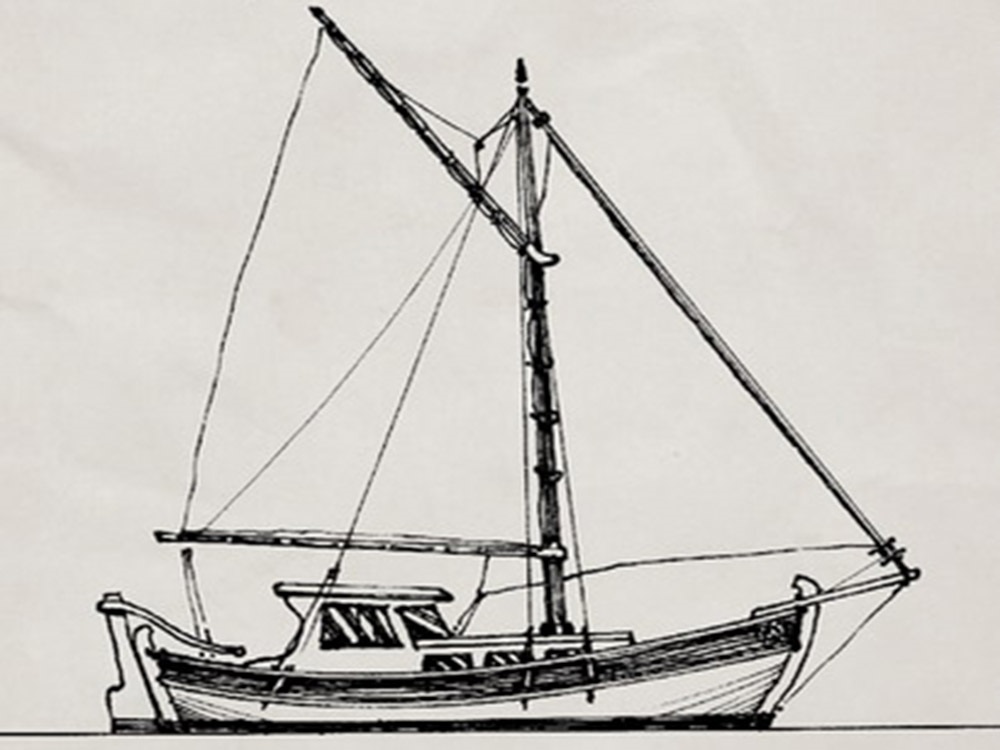
The first dominant hull form in the history of boat production is the “bow and stern together” symmetrical design. The most elegant example of this tradition that has survived to this day, is the Tirhandil.
This type of boat, known in Turkey as “Tırhandil / Tirhandil,” or “Tırhandıl” in the Bodrum dialect, is a common cultural heritage on both sides of the Aegean. In Greece, the same form is called “Trechandiri.” According to academics, the word is derived from the verb “trechei,” which means “running / fast-going.”
The Origin of the Tirhandil: A Story Extending from the Adriatic to the Aegean
In his doctoral thesis published in 1989, the Greek academic Kostas Damianidis connects the origin of the Tirhandil to a boat called the “Trabaccolo,” produced on the Adriatic coasts in the 17th century.
Some opinions suggest that the Tirhandil derives from the Greek word “trikandini,” which may be related to the word “triakena,” meaning approximately “three to one.” This statement refers to the length-to-beam ratio traditionally seen in Tirhandils; however, it should be noted that every master keeps their own secret ratio.
The Distinctive Form of the Tirhandil
In summary, the phrase “two bows as one” clearly tells why the Tirhandil is so special in a single sentence:
The bow and stern forms are symmetrical. The crescent-shaped stemposts formed around this symmetry, the wide belly and the rounded hull shape the boat’s aesthetic as well as its seaworthy stance.
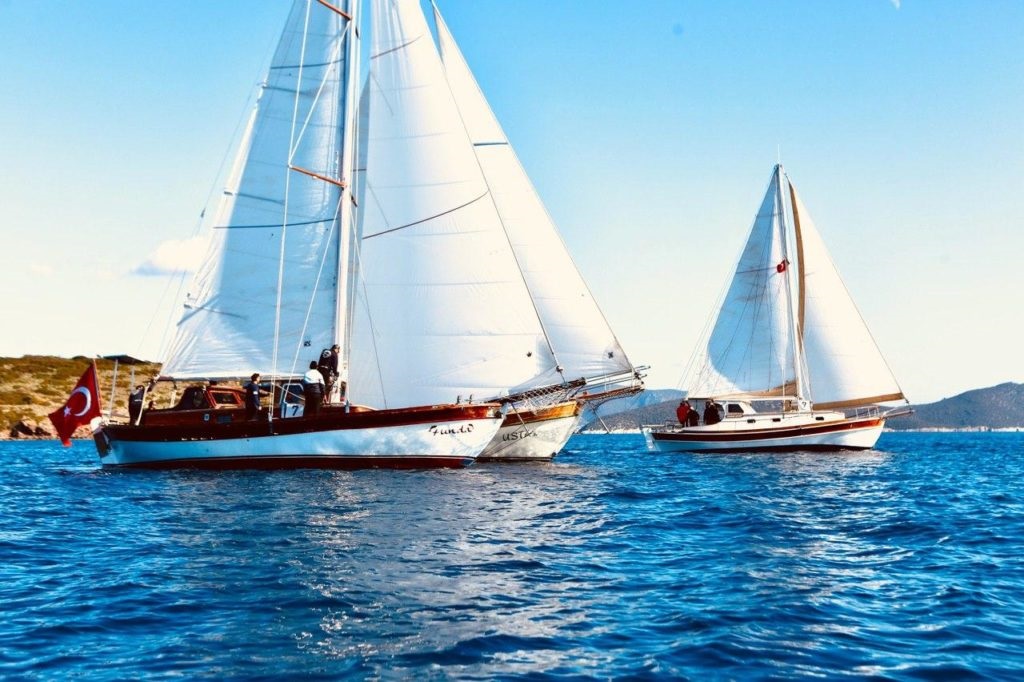
The characteristic features of the Tirhandil
- Low keel and balanced center of gravity
- Natural sheer at the bulwarks and sides
- High stability due to the wide hull
- Reliability in storms due to its robust structure
- Superior maneuverability, capable of turning in a space equal to its length
These features made the Tirhandil an indispensable boat for cargo transportation and especially for sponge diving for many years. The reason it gained fame among sponge divers is that it instantly responds to rudder commands and can easily turn in narrow areas.
The crescent-shaped carvings on the stemposts and the crescent-star motifs, the essential touch of traditional masters, give the Tirhandil its unique elegance.
The Rise of the Tirhandil in Bodrum
The Tirhandil culture became famous in Bodrum, especially after the settlement of Cretans following the population exchange. Cretan masters brought both technical knowledge and the Mediterranean boat tradition to the region.
The first Tirhandil known to be built in Bodrum is the 10.5-meter “Atilla,” launched from the Kumbahçe coast in 1933. The master who laid the keel was Mehmet of Nami the Cretan, and the sponge diver who commissioned the boat was the famous Ali Cengiz, also born in Crete. This boat was a turning point for Bodrum.
Tirhandil Construction Techniques and Materials
Traditional masters prefer local materials in production:
- Hull: Turkish pine and black pine
- Planking & frame: Cedar
- Keel: Eucalyptus
- Mast / rigging parts: Spruce and local pine species
Today, alongside classical methods, much more durable and larger Tirhandils are produced using laminated technology.
The Evolution of Tirhandil Dimensions: From 7 Meters to 20 Meters
Historically, Tirhandils were generally built between 7–12 meters. Influenced by sponge diving and cargo transport, they gradually grew up to 16–18 meters. The modern era, especially with laminated production, made the 20-meter limit possible.
Today, the largest Tirhandil built in Turkey is the 21-meter Tirhandil made by Hacı Mustafa Özkeskin in Bodrum/Kızılağaç. This size is considered the record level reached by the Tirhandil without compromising its traditional form.
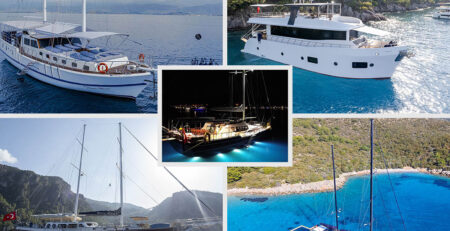
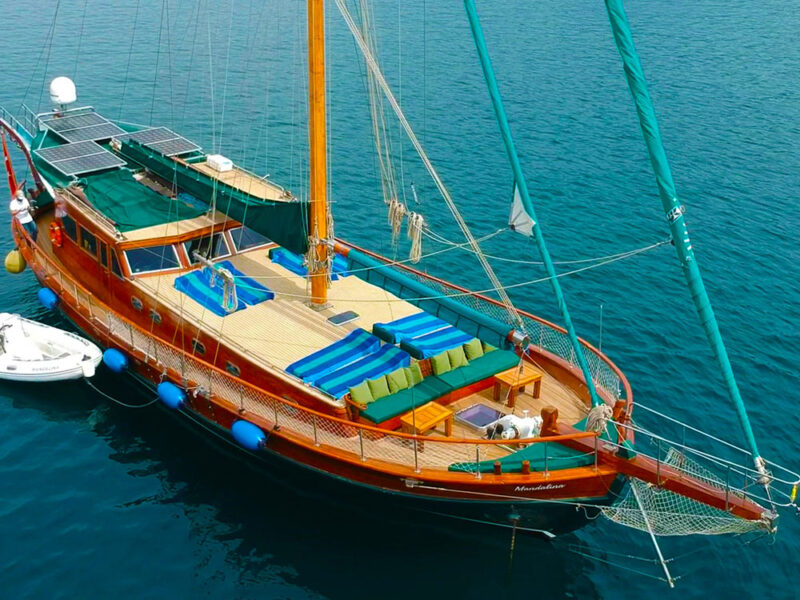
The second largest Tirhandil in Turkey appears to be Mandalina with a LOA of 20.10 meter (66ft). With this in mind we are proud to present this beautiful yacht in our charter portfolio.

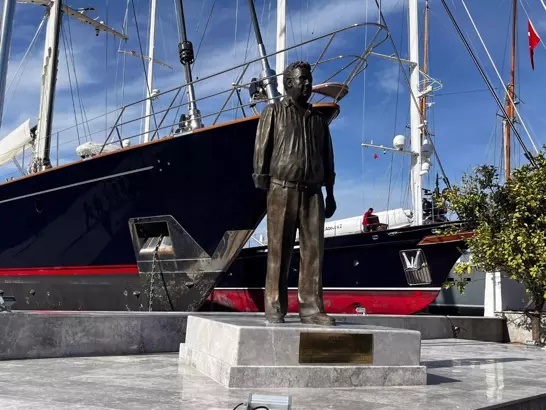
(Çolak) Erol Ağan Sculpture, Bodrum | Photo DHA
Tirhandil Masters: The Protectors of This Culture
The Tirhandil is far beyond a boat form; it is a craft tradition passed down from master to apprentice. Among the most important masters who keep the soul of the Tirhandil alive in Bodrum are:
- Çolak Erol (Ağan)
- Kıvırcık Mustafa (Cengiz)
- Uğur Susam
- Hacı Mustafa Özkeskin
If you happen to pass through the Bodrum shipyard area, you can easily find the workshops of Çolak Erol and Kıvırcık Mustafa. If you move towards Kızılağaç, it is possible to see Hacı (Mustafa Özkeskin) and Uğur Susam. Each of them has sustained the Tirhandil culture for decades.
Tirhandil Sail Rigging: Evolution from Lateen to Marconi
The Tirhandil was born entirely as a sailing boat. While the first models built carried a single-masted Lateen sail, gaff and especially Marconi riggings are preferred today due to ease of use and sailing advantages.
Modern Tirhandils can combine both classic and modern rigging combinations for cruising and racing purposes.
Conclusion: The Tirhandil is Not a Boat, but a Culture
The Tirhandil is one of the most unique maritime heritages of the Aegean, shaped by its form, diligence, durability, and the elegance crafted by its masters. This story, which began on the coasts of Bodrum, is being carried into the future today by living masters and modern production techniques.
Whether considered a sponge diver’s boat, a racing yacht, or a modern cruising boat, the Tirhandil always carries the same spirit: harmony with the sea, simplicity, and craftsmanship.
References
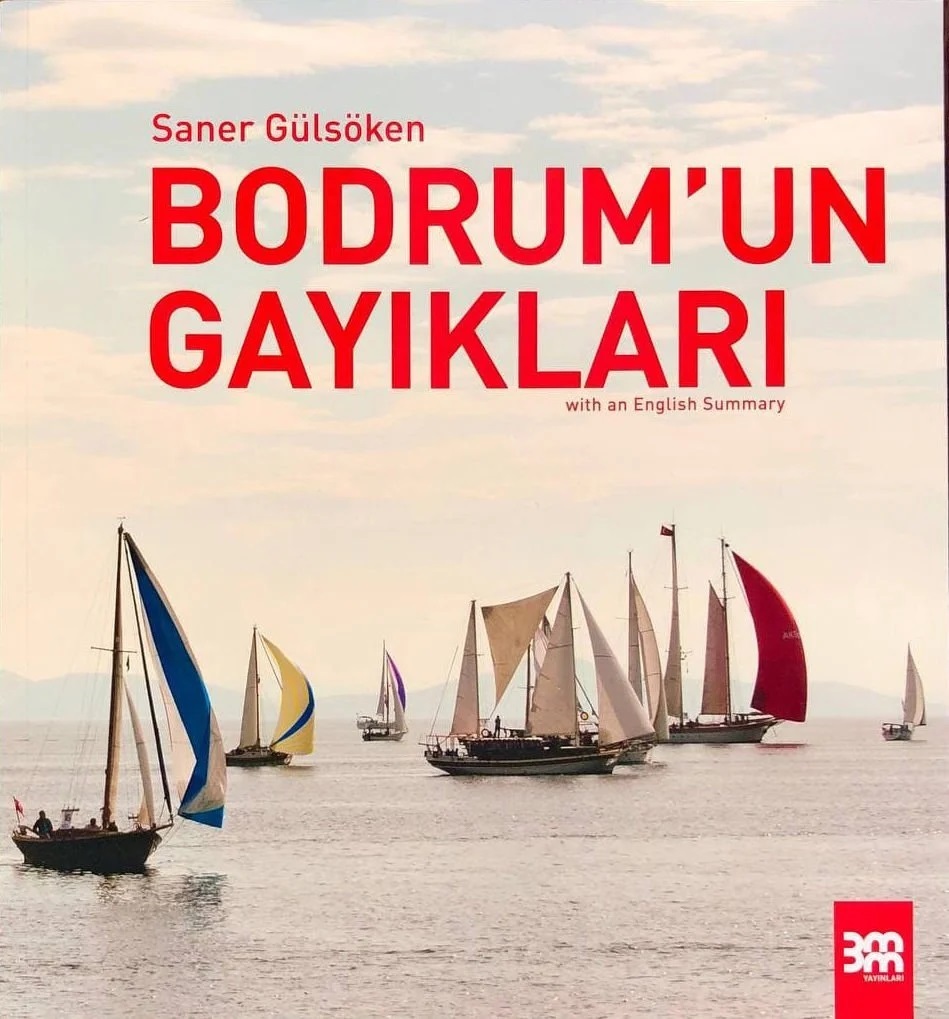
- Gülsöken, Saner. Bodrum’un Gayıkları. Bodrum Deniz Müzesi Yayınları | To purchase the book click here.↗
- Tirhandilcup.com
You can follow our latest updates and announcements in our News section.↗
For destination guides, insights and yachting stories, explore our Blog.↗
You can always fast-contact us on Whatsapp.↗